
Alpha lipoic acid - all-rounder for cells & metabolism
Alpha lipoic acid (ALA) is a sulphur-containing fatty acid that the human body produces itself in small quantities and can also absorb through food. It is considered a versatile antioxidant as it is soluble in both water and fat, which means it can reach almost all body cells.... Read more

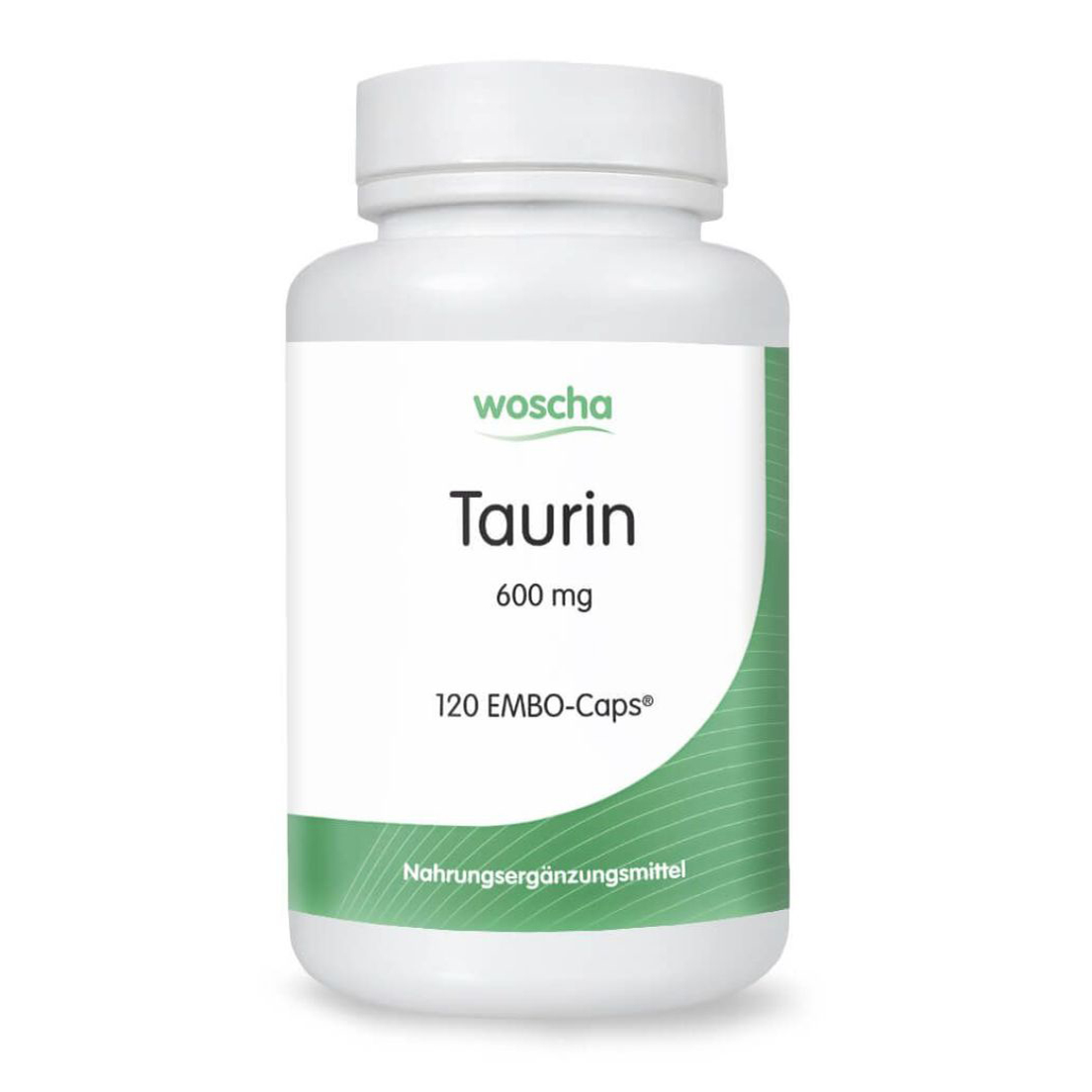
Taurine, 120 capsules
Content: 0.098 Kilogramm (€205.10 / 1 Kilogramm)
-
From 1€22.40€228.57 / 1 Kilogramm
-
From 2€21.20€216.33 / 1 Kilogramm
-
From 5€20.10€205.10 / 1 Kilogramm
Effect and characteristics
- Antioxidant effect: ALA protects cells and tissue from harmful free radicals. As it can restore other antioxidants such as vitamin C, E, glutathione and coenzyme Q10, it is also known as the "antioxidant of antioxidants".
- Metabolic support: It is crucial for the conversion of glucose into energy in the mitochondria.
- Protective functions: Due to its nature, alpha lipoic acid can cross the blood-brain barrier and protect nerve cells. It is also said to play a supporting role in detoxification, particularly in binding heavy metals.
- Better energy utilisation: Studies show that this substance can increase fat burning in the cells.
Dosage and quality
In food supplements, 100 mg to 300 mg is usually recommended to boost the metabolism.Alpha-lipoic acid shows clear medicinal effects from a daily dose of 600 mg. For this reason, food supplements must not contain more than 599 mg of alpha-lipoic acid, otherwise they are not legal. A look at Google shows that many manufacturers do not comply with this. You will only find legal alpha-lipoic acid in our shop.
The difference between R-alpha lipoic acid and S-alpha lipoic acid
Normally, alpha-lipoic acid preparations always consist of a mixture of 50 % R-alpha-lipoic acid and 50 % S-alpha-lipoic acidHere is the difference:
R-alpha lipoic acid (R-ALA):
- It is natural. Your body produces it itself. It is also found in food.
- It works better. Your body absorbs it much better. It also utilises it better.
- It is active. It can energise your cells directly. It also protects your cells.
S-alpha lipoic acid (S-ALA):
- It is artificial. It is produced in the laboratory and is often found in normal ALA mixtures.
- It works less well. Your body cannot utilise it as well as the R form.
To summarise: R-alpha lipoic acid is the natural form. The body can utilise it directly.
Pure R-alpha lipoic acid usually works better. But it is often more expensive.