
Acerola
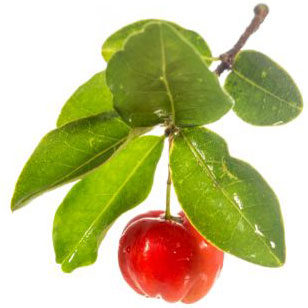
The acerola cherry (Malpighia punicifolia L.) is one of the fruits richest in vitamin C in the world. It grows on small trees in tropical America. The acerola shrub has been revered by the indigenous people as the "tree of health" since time immemorial. Although the sweet and sour fruit is known as a cherry, botanically speaking it is a berry with three seeds... Read more


Acerola Premium Plus, 100 fruit powder
Content: 0.1 Kilogramm (€240.00 / 1 Kilogramm)
-
From 1€26.85€268.50 / 1 Kilogramm
-
From 2€25.50€255.00 / 1 Kilogramm
-
From 5€24.00€240.00 / 1 Kilogramm

Acerola Premium Plus, 200 g fruit powder
Content: 0.2 Kilogramm (€222.50 / 1 Kilogramm)
-
From 1€49.40€247.00 / 1 Kilogramm
-
From 2€46.90€234.50 / 1 Kilogramm
-
From 5€44.50€222.50 / 1 Kilogramm

L-Lysine Plus Zinc and Acerola, 120 EMBO capsules
Content: 0.09 Kilogramm (€155.56 / 1 Kilogramm)

PureWay-C 500 mg with bioflavonoids, 120 capsules
Content: 0.091 Kilogramm (€295.60 / 1 Kilogramm)
-
From 1€29.90€328.57 / 1 Kilogramm
-
From 2€28.40€312.09 / 1 Kilogramm
-
From 5€26.90€295.60 / 1 Kilogramm

Vitamin C Acerola WholeFood, 120 capsules
Content: 0.11 Kilogramm (€263.64 / 1 Kilogramm)
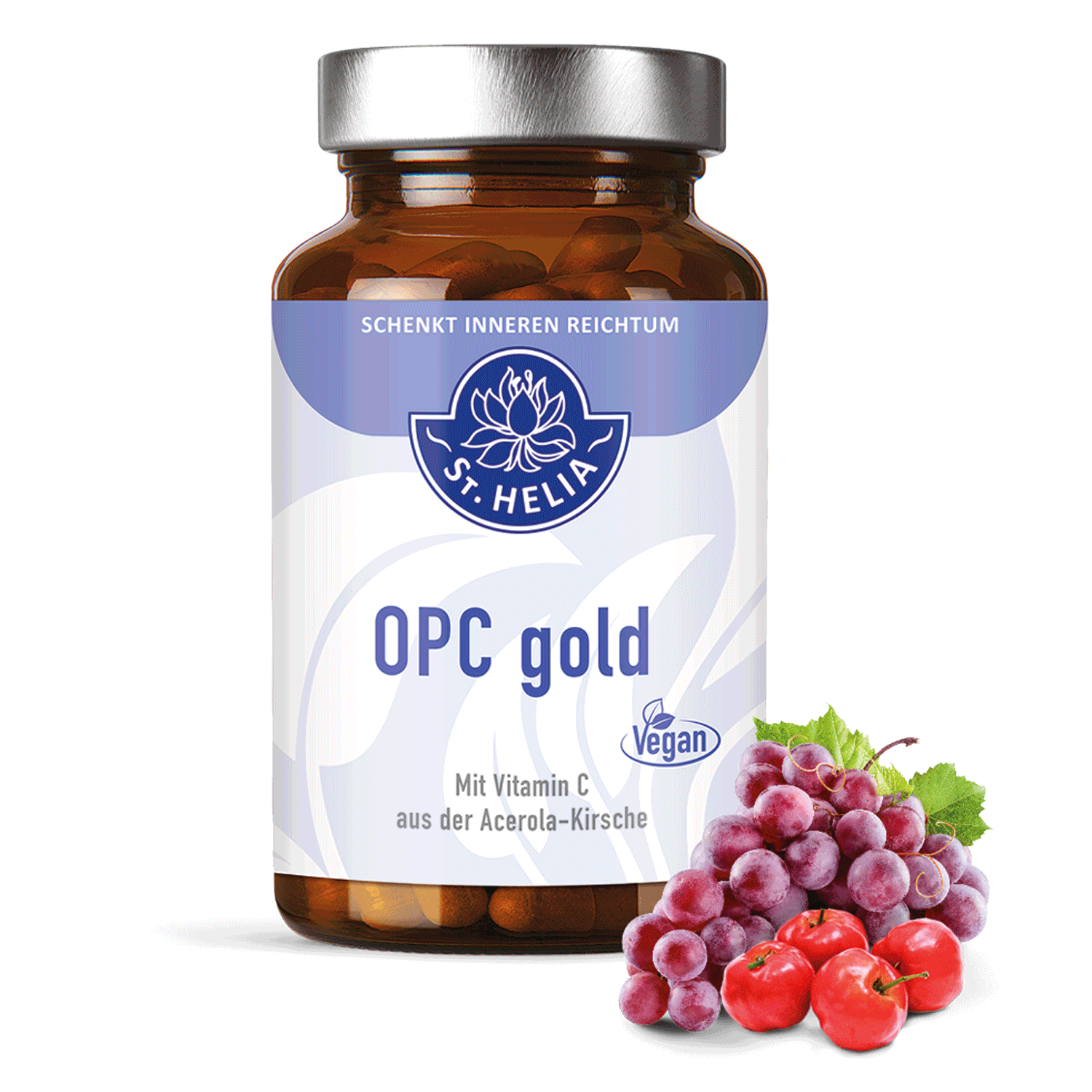
OPC Gold Plus Acerola, 60 capsules
Content: 0.02 Kilogramm (€1,120.00 / 1 Kilogramm)
-
From 1€24.90€1,245.00 / 1 Kilogramm
-
From 2€23.60€1,180.00 / 1 Kilogramm
-
From 5€22.40€1,120.00 / 1 Kilogramm

OPC 100 with Acerola, 100 g
Content: 0.1 Kilogramm (€349.00 / 1 Kilogramm)
-
From 1€38.90€389.00 / 1 Kilogramm
-
From 2€36.90€369.00 / 1 Kilogramm
-
From 5€34.90€349.00 / 1 Kilogramm
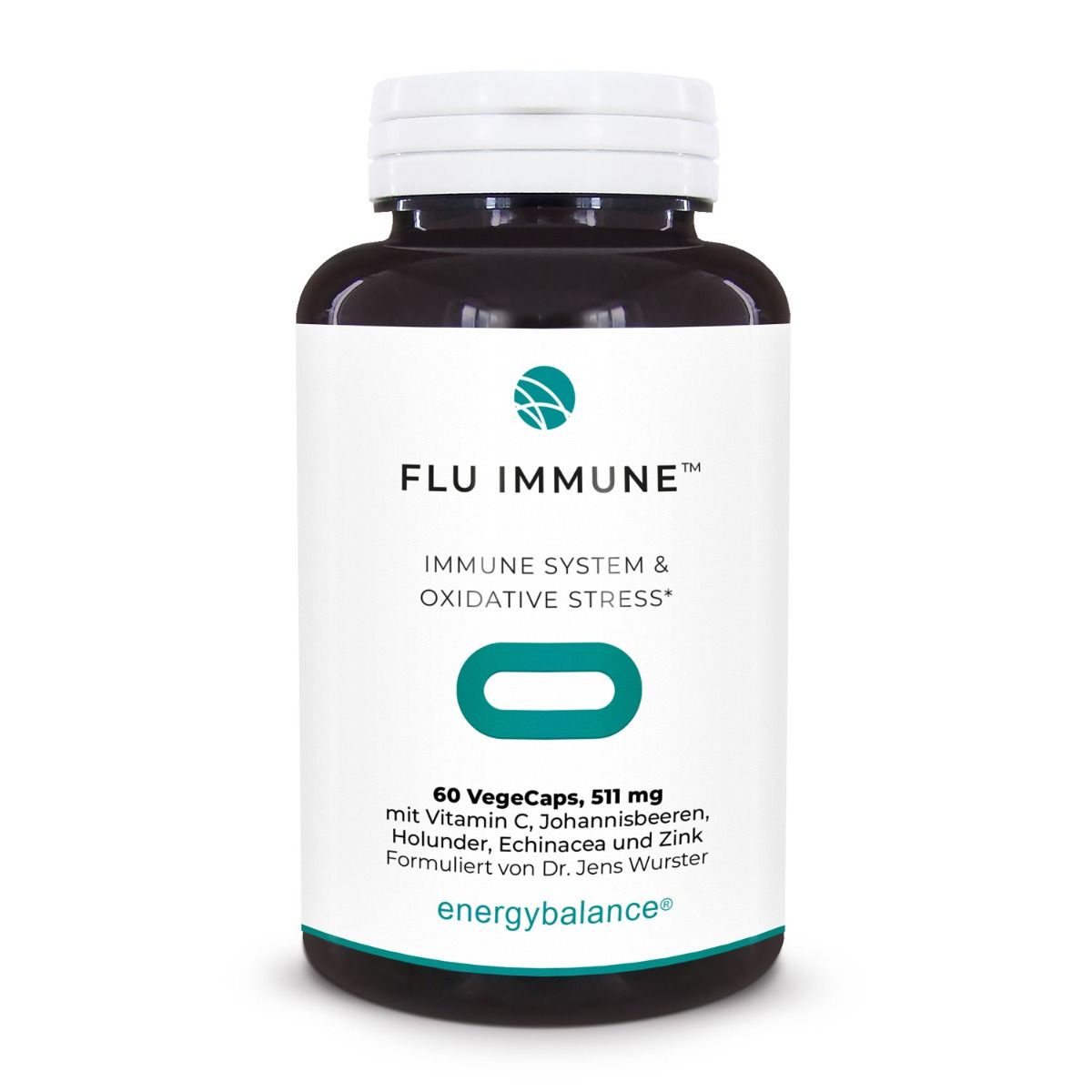
Flu-Immune with elderberry and echinacea, 60 VegeCaps
| Contains zinc and vitamin C from acerola extract. Contains extracts of elderberry, redcurrant and echinacea. |
Content: 0.04 Kilogramm (€1,190.00 / 1 Kilogramm)
-
From 1€52.90€1,322.50 / 1 Kilogramm
-
From 2€50.20€1,255.00 / 1 Kilogramm
-
From 5€47.60€1,190.00 / 1 Kilogramm
Acerola - a source of health
Acerola (Malpighia glabra, Malpighia emarginata or Malpighia punicifolia) belongs to the Malpighia family and is originally from the Yucatán Peninsula in Mexico.
Today, the evergreen shrubs and small trees are cultivated throughout Central America and in many South American countries - especially Brazil - as well as in Jamaica, the south of the USA, India, Africa and Australia.
The indigenous peoples of the Mayan culture greatly valued the small cherry as a source of health and its small, healing fruits. Even back then, they were consumed on purpose, for example to strengthen the body's defences. However, the Spanish conquistadors coined the name acerola because the appearance of the exotic fruit reminded them of the sweet cherries in their homeland. In German-speaking countries, they are therefore known as acerola cherries or Barbados cherries.
Although stone fruits are involved in both cases, the acerola is not related to our sweet cherry. In addition, acerola cherries do not taste sweet, but rather sour.
In the countries where acerola grows, the fresh fruit is used to make juices, jams and various medicinal products such as fruit extracts. However, a high sugar content is usually used in all these preparations due to the acidity.
Acerola in traditional medicine
Barbados cherries are widely used in traditional Latin American medicine to prevent and treat diseases, as they are said to have astringent, anti-inflammatory, stimulant and diuretic properties. In Brazil, they are used to strengthen the cardiovascular system, treat diarrhoea and dysentery and promote wound healing. Fresh fruits are also used to treat fever, anaemia, diabetes and liver diseases such as hepatitis. They are considered an ideal remedy when the body is weakened by illness, for example.
Scientific interest in the tropical cherry only began to grow in the middle of the 20th century, when South American researchers discovered the fruit in the jungle and subjected it to various analyses. For the first time, it was scientifically explained why it has such great healing potential: it is a very good source of vitamin C. This is why we use it primarily as a source of natural vitamin C.
The healing effects should not be claimed here, as we only offer acerola as a dietary supplement. It is also questionable how many of these effects are still present if the extract is used instead of the whole fruit. However, it has been scientifically proven that natural vitamin C from acerola works better than artificial vitamin C, which is often used in cheap food supplements. The same also applies to expensive food supplements with cheap ingredients such as artificial ascorbic acid, which are unfortunately widespread on the market...
The third largest source of vitamin C in the world
The acerola cherry really is a superfood. Only two fruits in the world are known to contain more vitamin C than the small tropical cherry: the Australian bush plum and the camu camu from the Amazon region.
As the acerola cherry consists of 93 per cent water and contains only small amounts of protein, fat or carbohydrates, you could almost believe that it offers hardly any other nutrients.
Analyses have shown that 100 g of this fruit has a vitamin C content of 700 to an incredible 5000 mg. In contrast, oranges and lemons, which are often referred to as vitamin C bombs, only contain around 50 mg of vitamin C per 100 g.