
For good nerves and against beri beri
Thiamine has a central function in the production of energy from carbohydrates and proteins and is involved in the transmission of stimuli in the nervous system. Thiamine (vitamin B1) is a water-soluble vitamin that is essential for energy metabolism, the metabolism of amino acids and the proper functioning of the nervous system. As a coenzyme in the conversion of carbohydrates into energy, it must be supplied regularly through food, as the body can only store small amounts. Thiamine is found in wholemeal products, pulses, seeds, fish and muscle meat... Read more
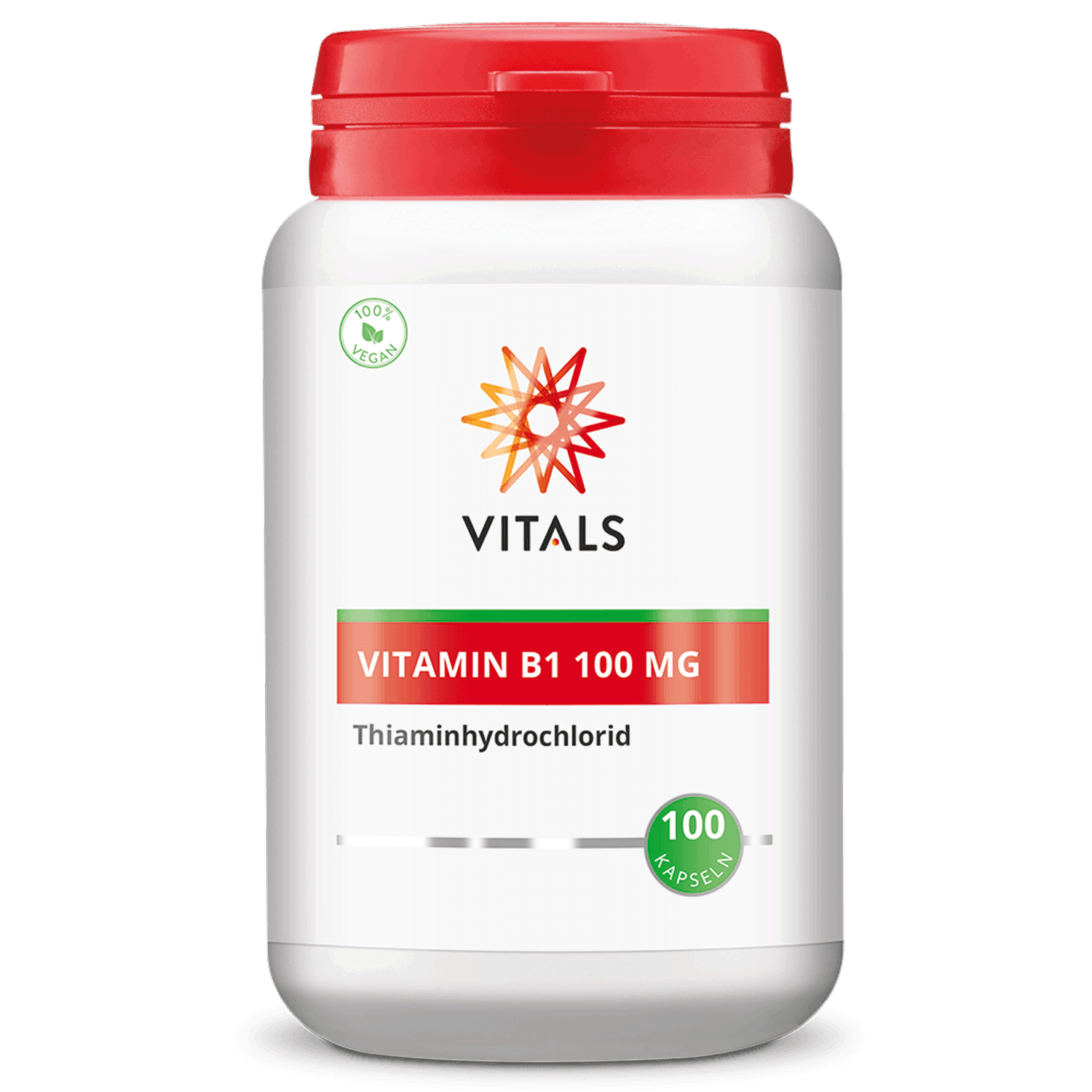
Vitamin B1 100 mg, 100 capsules
Content: 0.045 Kilogramm (€518.89 / 1 Kilogramm)
-
From 1€25.95€576.67 / 1 Kilogramm
-
From 2€24.65€547.78 / 1 Kilogramm
-
From 5€23.35€518.89 / 1 Kilogramm
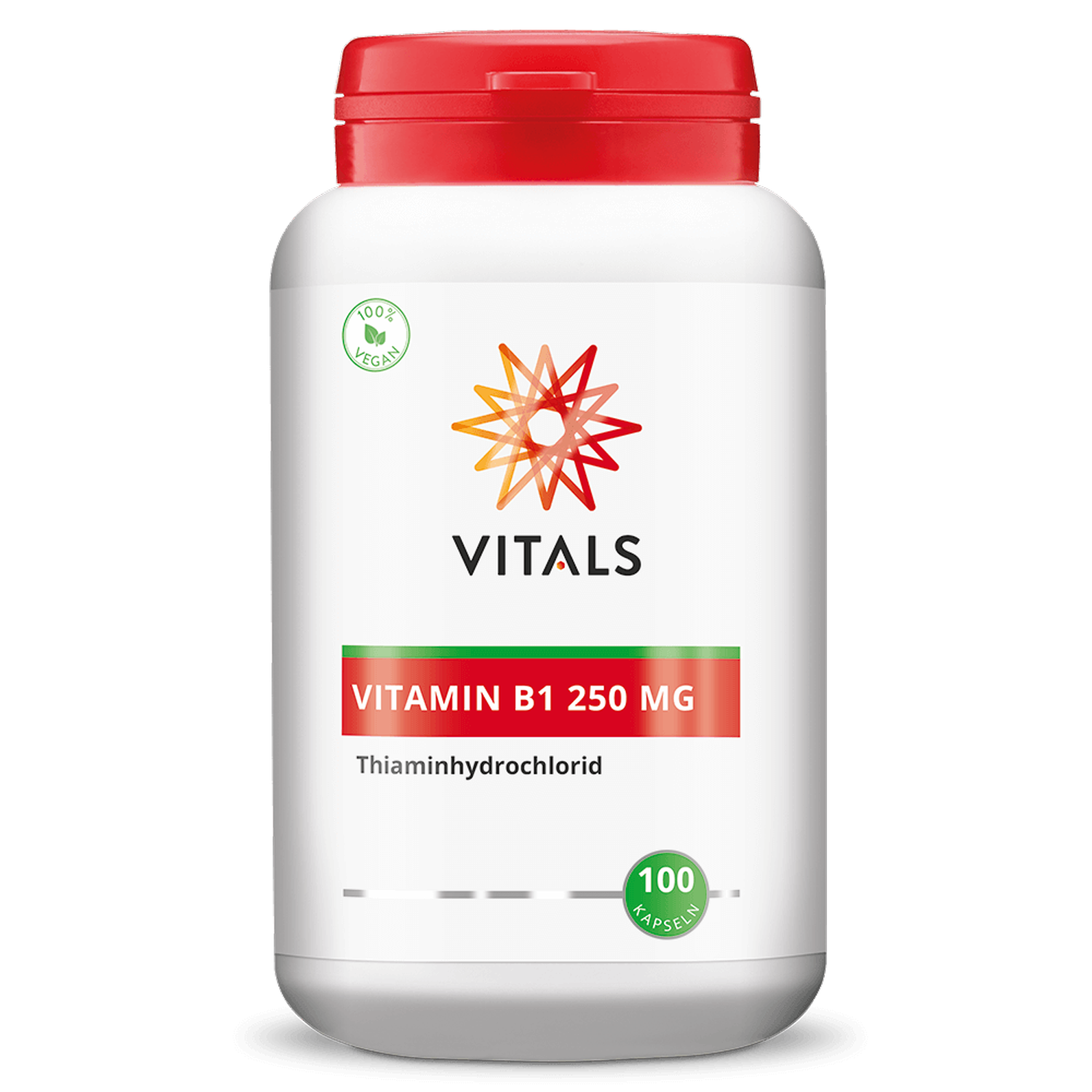
Vitamin B1 250 mg, 100 capsules
Content: 0.06 Kilogramm (€508.33 / 1 Kilogramm)
-
From 1€33.90€565.00 / 1 Kilogramm
-
From 2€32.20€536.67 / 1 Kilogramm
-
From 5€30.50€508.33 / 1 Kilogramm

Vitamin B1, 120 capsules
Content: 0.02 Kilogramm (€810.00 / 1 Kilogramm)
-
From 1€18.00€900.00 / 1 Kilogramm
-
From 2€17.10€855.00 / 1 Kilogramm
-
From 5€16.20€810.00 / 1 Kilogramm
Thiamine functions
- energy metabolism: Thiamine plays a central role in the production of energy from fats and proteins.
- Nervous system: It plays an essential role in the functioning of nerve cells and the transmission of stimuli in the nervous system.
Occurrence
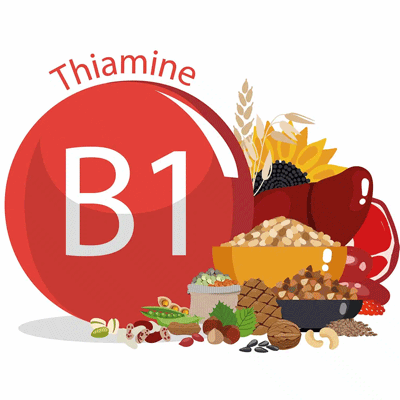
Thiamine is found in numerous foods, such as
- 100% wholemeal products
- Pulses such as peas, seeds and nuts
- Muscle meat, especially pork
- Fish, such as tuna Vegetables such as potatoes, asparagus and spinach
Deficiencies
Thiamine deficiency can cause neurological symptoms and metabolic disorders, such as Beri-Beri disease, which is characterised by muscle and heart weakness.
aspects that can influence the intake
- Gentle preparation: Due to the sensitivity of thiamine to heat, oxygen and water, it is advisable to cook foods with a high thiamine content gently and soak them as little as possible.
- Increased requirement: The thiamine requirement can be increased during pregnancy, breastfeeding, diabetes mellitus and chronic alcohol abuse.