
Functions of copper in the human body
In humans, copper is mainly stored in the liver and then released into the body via the bile when required. Its influence on many bodily functions is primarily due to the fact that it is a component of various enzymes. It is incorporated into protein compounds. Copper as a dietary supplement is a vital trace element that is taken in small amounts to support the normal functioning of the human body. For example, it helps to protect cells from oxidative stress, promote the normal function of the nervous system and support the normal function of the immune system. Read more

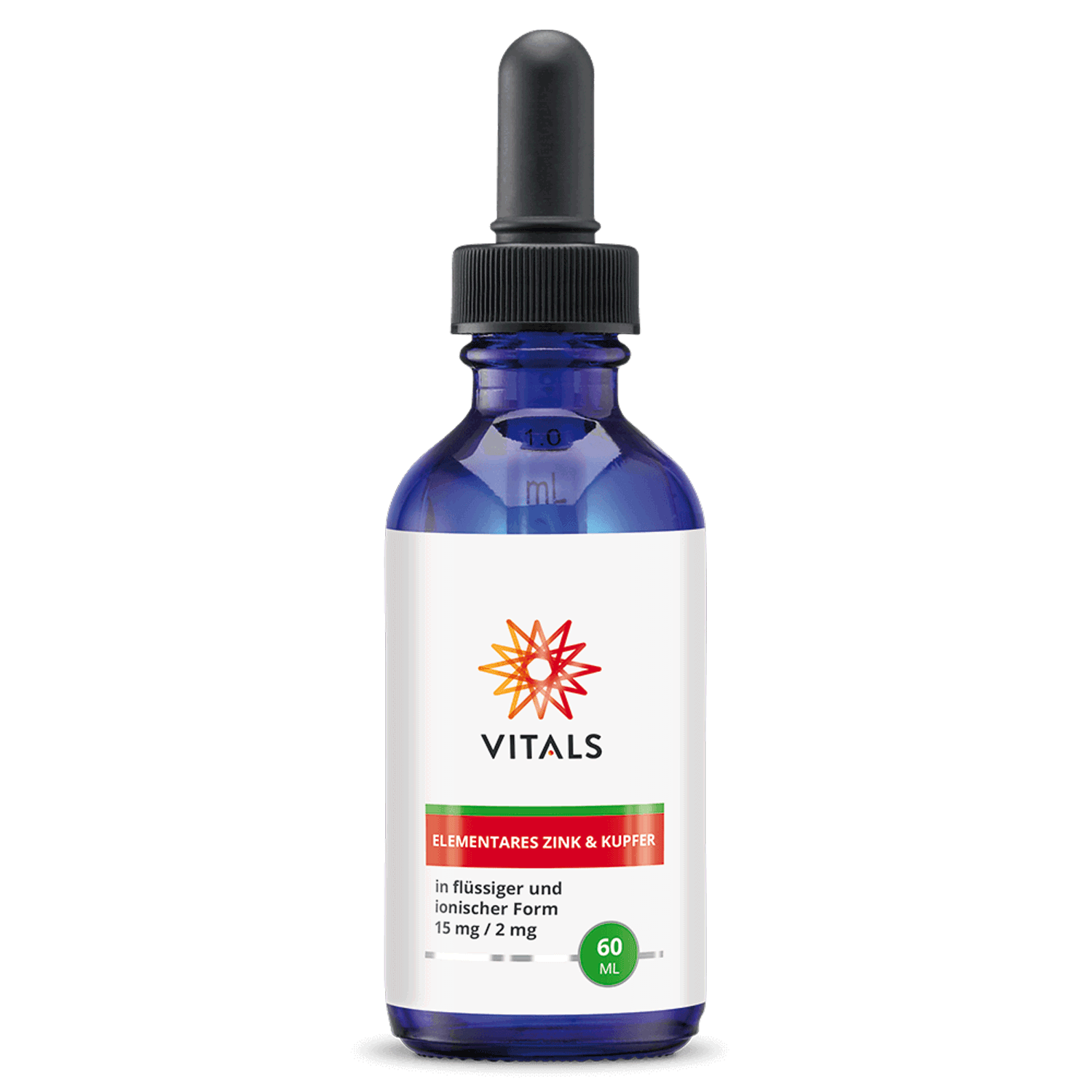
Elemental Zinc & Copper, 60 ml
Content: 0.06 Liter (€269.17 / 1 Liter)
-
From 1€17.95€299.17 / 1 Liter
-
From 2€17.00€283.33 / 1 Liter
-
From 5€16.15€269.17 / 1 Liter

Copper energised, 60 capsules
Content: 0.01 Kilogramm (€1,400.00 / 1 Kilogramm)
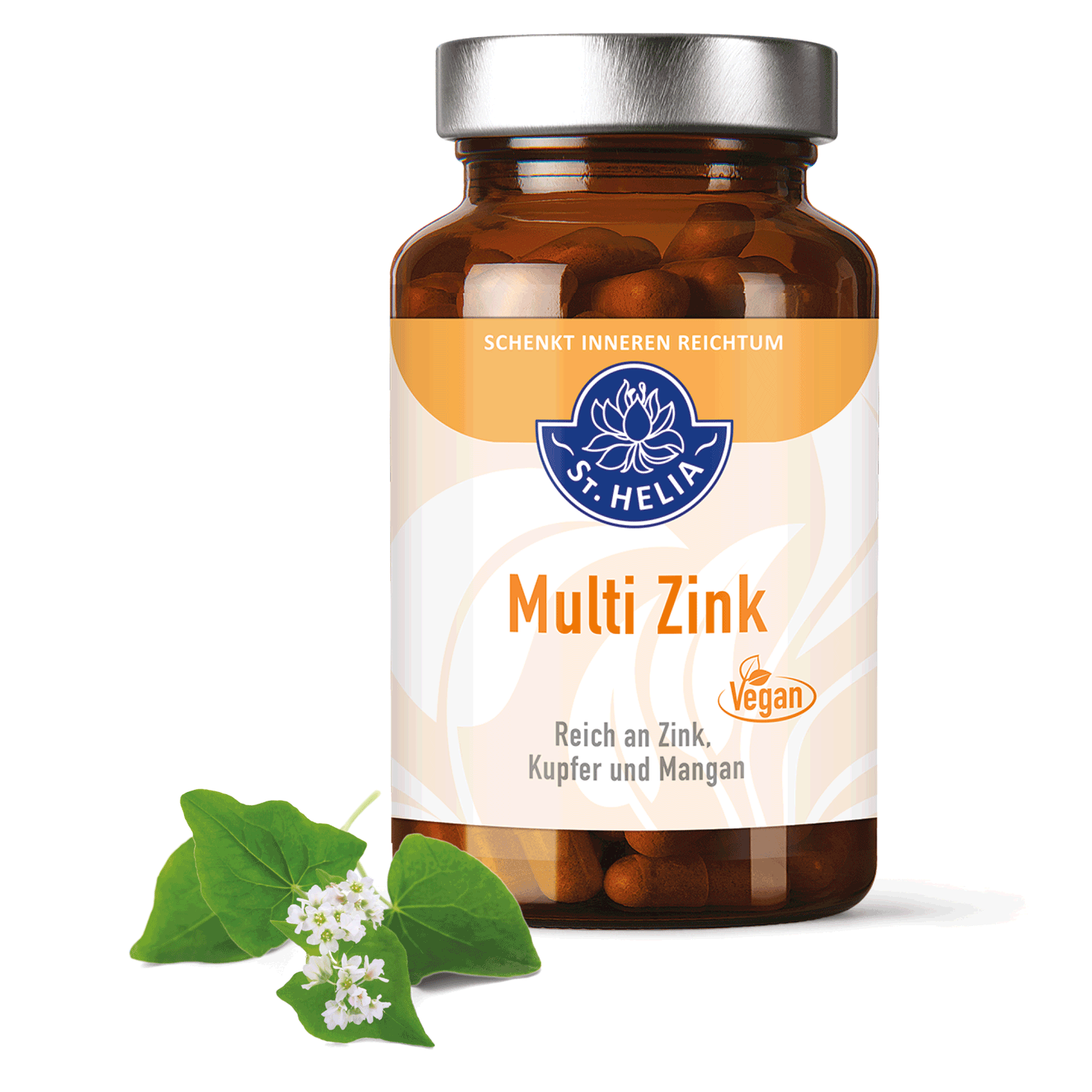
Multi Zinc with copper and manganese, 60 capsules
Content: 0.035 Kilogramm (€771.43 / 1 Kilogramm)

Iron Active - Iron chelates, 90 capsules
Content: 0.06 Kilogramm (€315.00 / 1 Kilogramm)
-
From 1€21.00€350.00 / 1 Kilogramm
-
From 2€19.90€331.67 / 1 Kilogramm
-
From 5€18.90€315.00 / 1 Kilogramm

Zinc FOOD STATE, 60 tablets
Content: 0.024 Kilogramm (€879.17 / 1 Kilogramm)
-
From 1€23.50€979.17 / 1 Kilogramm
-
From 2€22.30€929.17 / 1 Kilogramm
-
From 5€21.10€879.17 / 1 Kilogramm
What is copper?
Copper is a crucial trace element for our body. Naturally present, the storage for an adult is usually between 50 to 120 mg.
Our body does not produce its own copper, so we have to absorb it through our diet. Once ingested, it enters the body and is partially excreted through the bile and urine to eliminate excess copper that is not immediately absorbed.
This essential mineral plays a crucial role in the normal transport of iron and the maintenance of the normal function of nerve cells, which are responsible for the transmission of information and the formation of connections between neurones. It also helps to protect the normal function of our immune system.
Where do we get copper from?
The main source of copper is our food. Our body cannot produce copper on its own, so we have to get it from specific foods. The most important sources of copper in our diet include shellfish, seeds, nuts, organ meats, cereals, wheat bran, wholemeal products and even chocolate. Although the amount of copper in water is comparatively small, drinking plenty of water can help to slightly increase copper levels in the body. Other foods that provide copper include
- Liver
- Potatoes
- Tofu
- Chickpeas
- Salmon
- Avocado
Benefits of copper
- contributes to the maintenance of normal connective tissue.
- contributes to normal energy metabolism.
- contributes to the normal functioning of the nervous system.
- contributes to normal hair pigmentation.
- contributes to normal iron transport in the body.
- contributes to the normal function of the immune system.
- contributes to the protection of cells from oxidative stress.