
Omega 3 fatty acids - essential for health
Omega 3 will be one of the main topics in our shop this spring. It is not always immediately recognisable to customers where omega 3 fatty acids are contained, so we are listing them again here, although they are already represented in the categories fish oil, algae oil etc.. So you can find what you are looking for at first glance. The following omega-3 fatty acids are particularly important:
- Alpha-linolenic acid (ALA)
- Eicosapentaenoic acid (EPA)
- Docosahexaenoic acid (DHA)...Read more

Ovega3 Vitamins Omega-3 from algae with D3, K2, B12, 90 VegeCaps
Content: 0.071 Kilogramm (€478.87 / 1 Kilogramm)
-
From 1€37.90€533.80 / 1 Kilogramm
-
From 2€36.00€507.04 / 1 Kilogramm
-
From 5€34.00€478.87 / 1 Kilogramm
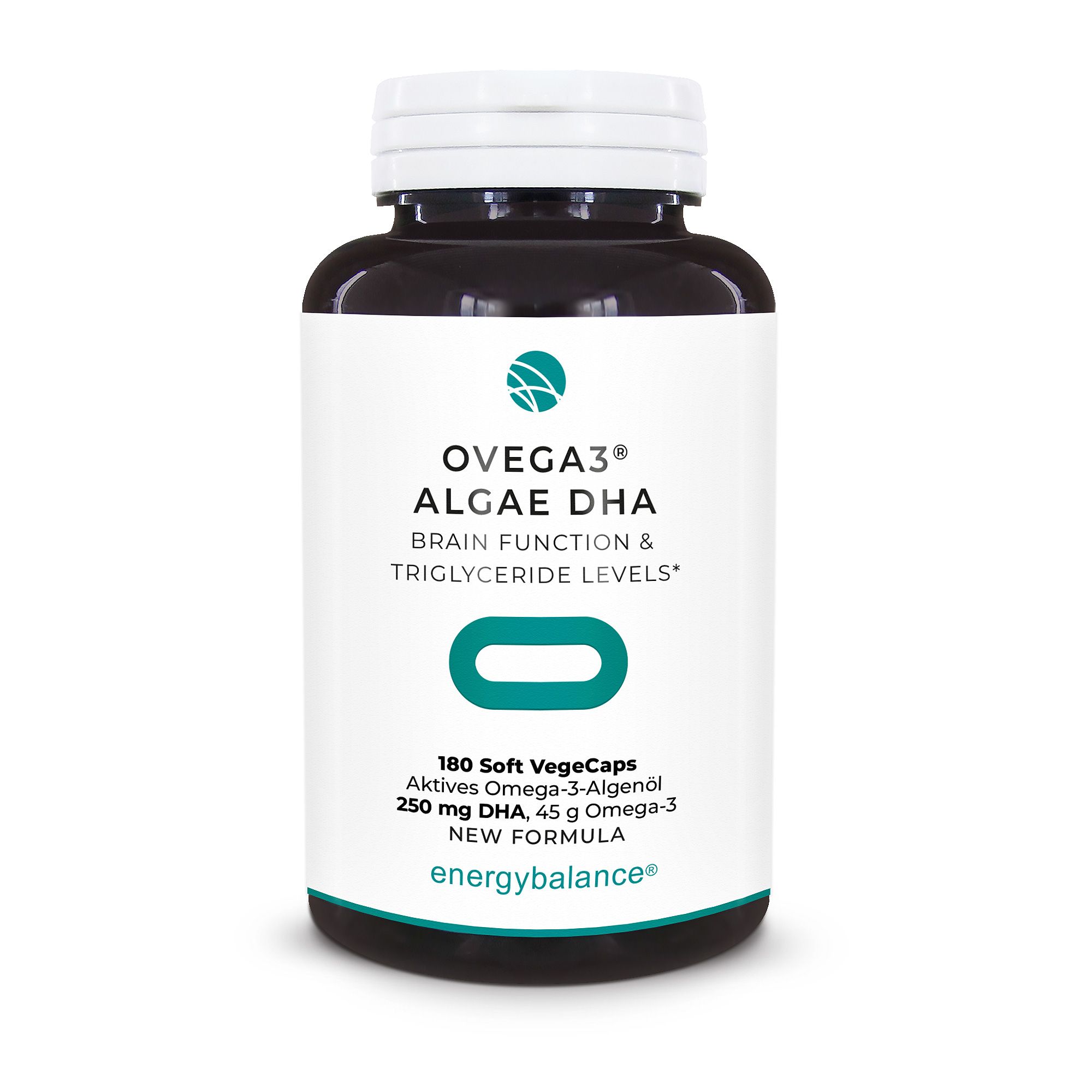
Ovega3 life DHA algae oil, 180 capsules
Content: 0.138 Kilogramm (€397.10 / 1 Kilogramm)
-
From 1€60.90€441.30 / 1 Kilogramm
-
From 2€57.80€418.84 / 1 Kilogramm
-
From 5€54.80€397.10 / 1 Kilogramm
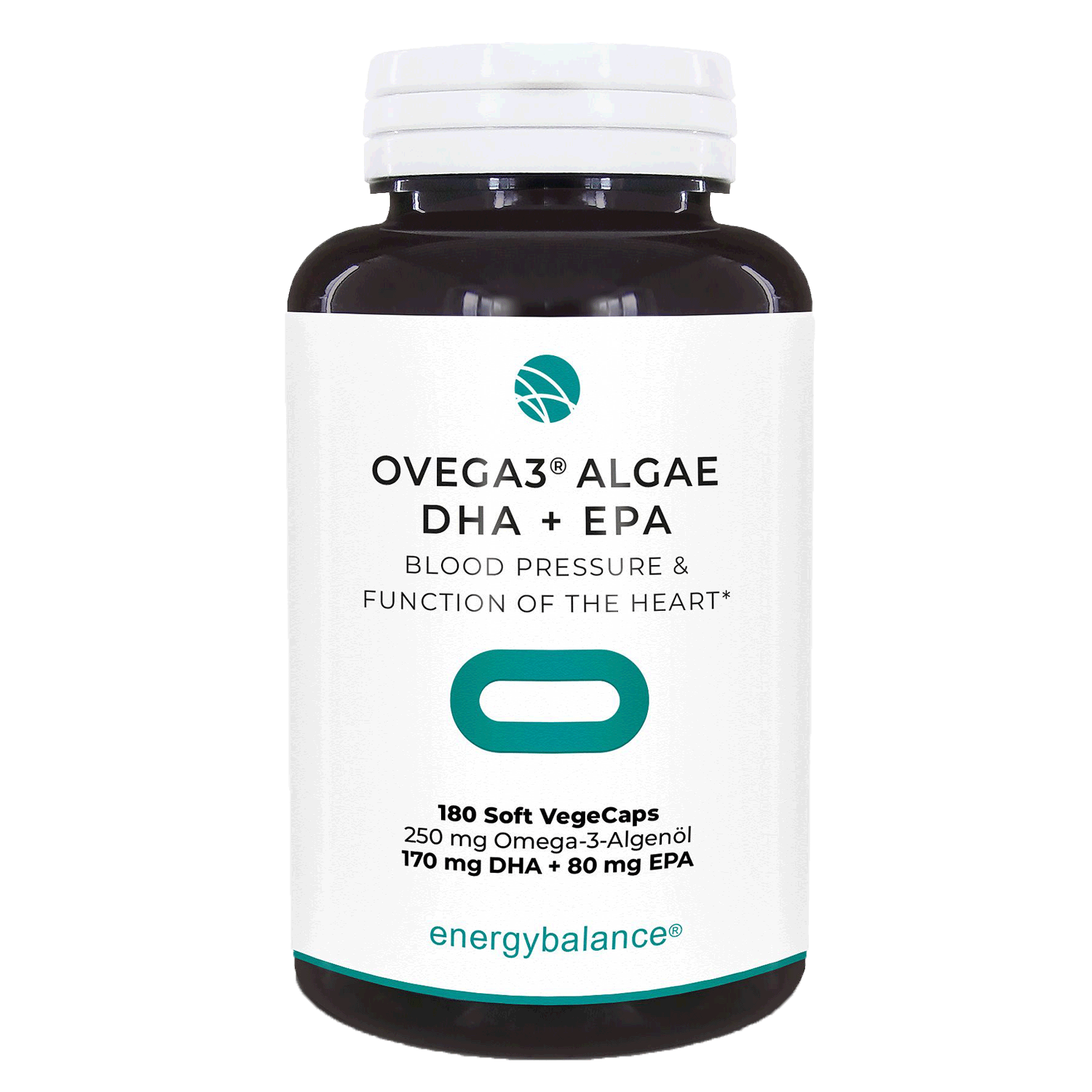
Ovega3 Algae DHA + EPA, algae oil 250 mg Omega-3, 180 VegeCaps
Content: 0.108 Kilogramm (€499.07 / 1 Kilogramm)
-
From 1€59.90€554.63 / 1 Kilogramm
-
From 2€56.90€526.85 / 1 Kilogramm
-
From 5€53.90€499.07 / 1 Kilogramm

Liquid EPA/DHA 1200 mg, 200 ml
Content: 0.2 Liter (€135.00 / 1 Liter)

Liquid EPA/DHA 1200 mg, 200 ml
Content: 0.2 Liter (€135.00 / 1 Liter)
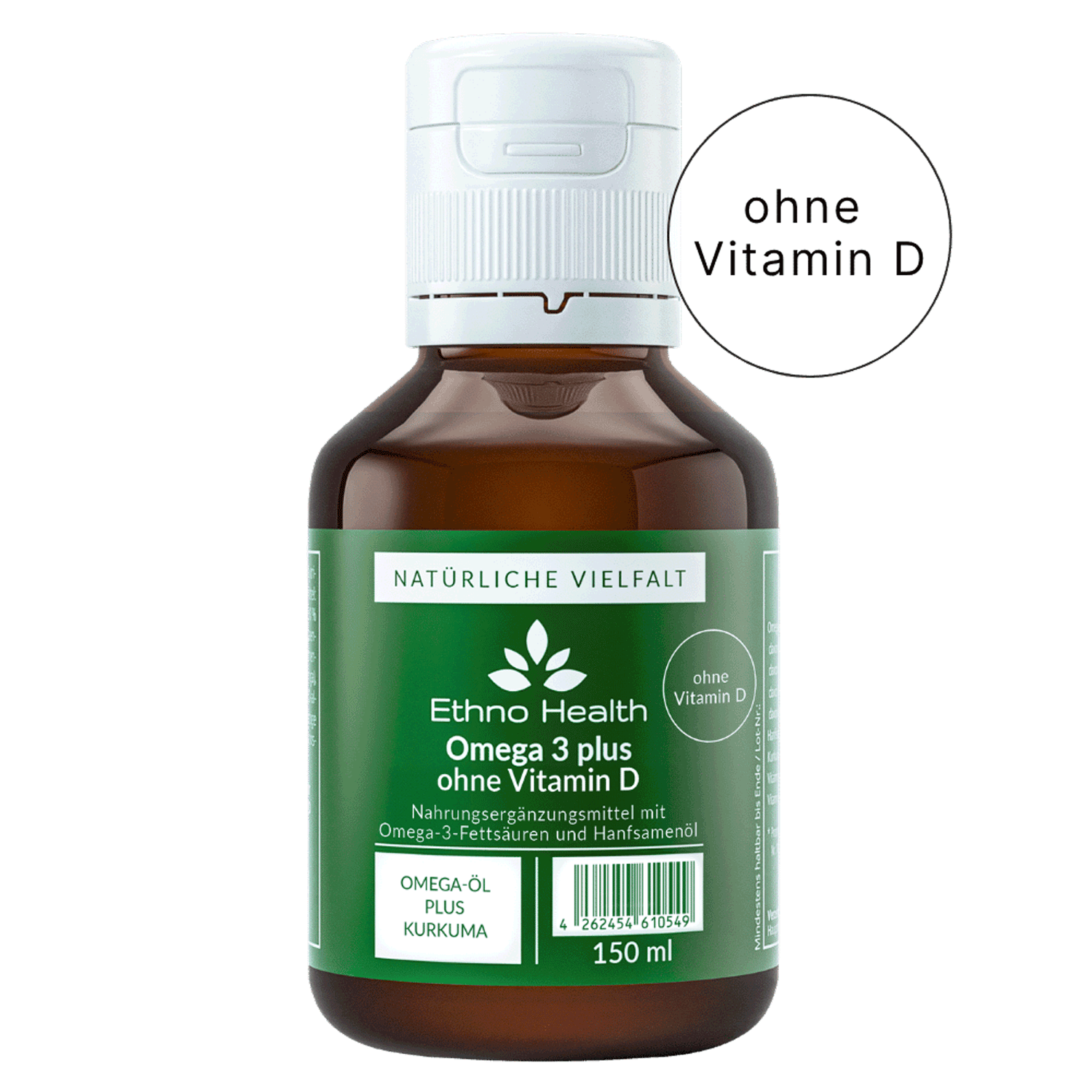
Omega 3 plus (without vitamin D), 150 ml
| Omega-3 fatty acids from the oil of Schizochytrium algae. In optimal combination with turmeric. |
Content: 0.15 Liter (€350.00 / 1 Liter)
-
From 1€69.99€466.60 / 1 Liter
-
From 3€52.50€350.00 / 1 Liter
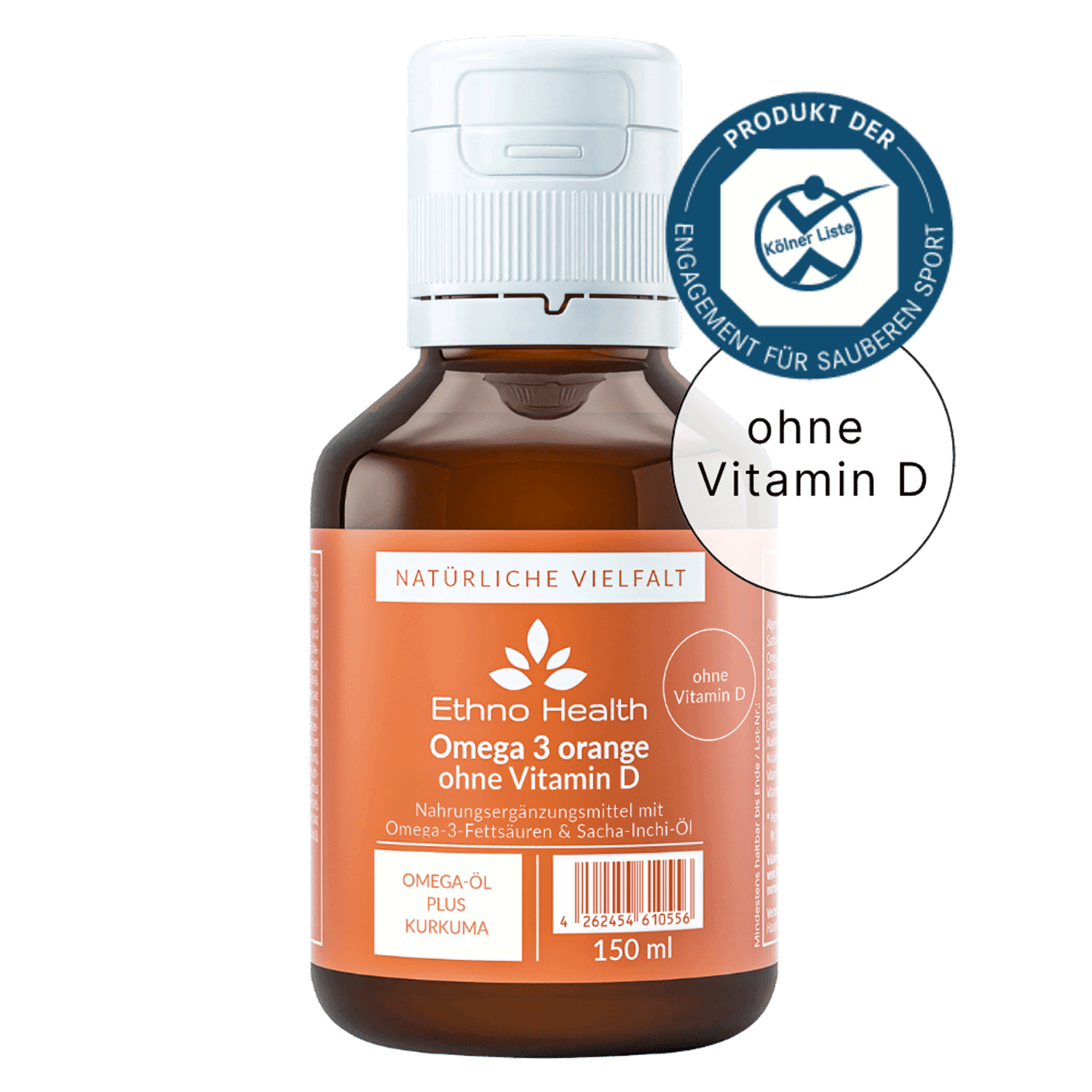
Omega 3 orange (without vitamin D), 150 ml
| High-quality algae oil with omega-3 fatty acids, vitamin E and turmeric. |
Content: 0.15 Liter (€375.00 / 1 Liter)
-
From 1€74.99€499.93 / 1 Liter
-
From 3€56.25€375.00 / 1 Liter


Liquid EPA/DHA 1200 mg, 200 ml
Content: 0.2 Liter (€134.75 / 1 Liter)
-
From 1€29.95€149.75 / 1 Liter
-
From 3€28.45€142.25 / 1 Liter
-
From 5€26.95€134.75 / 1 Liter
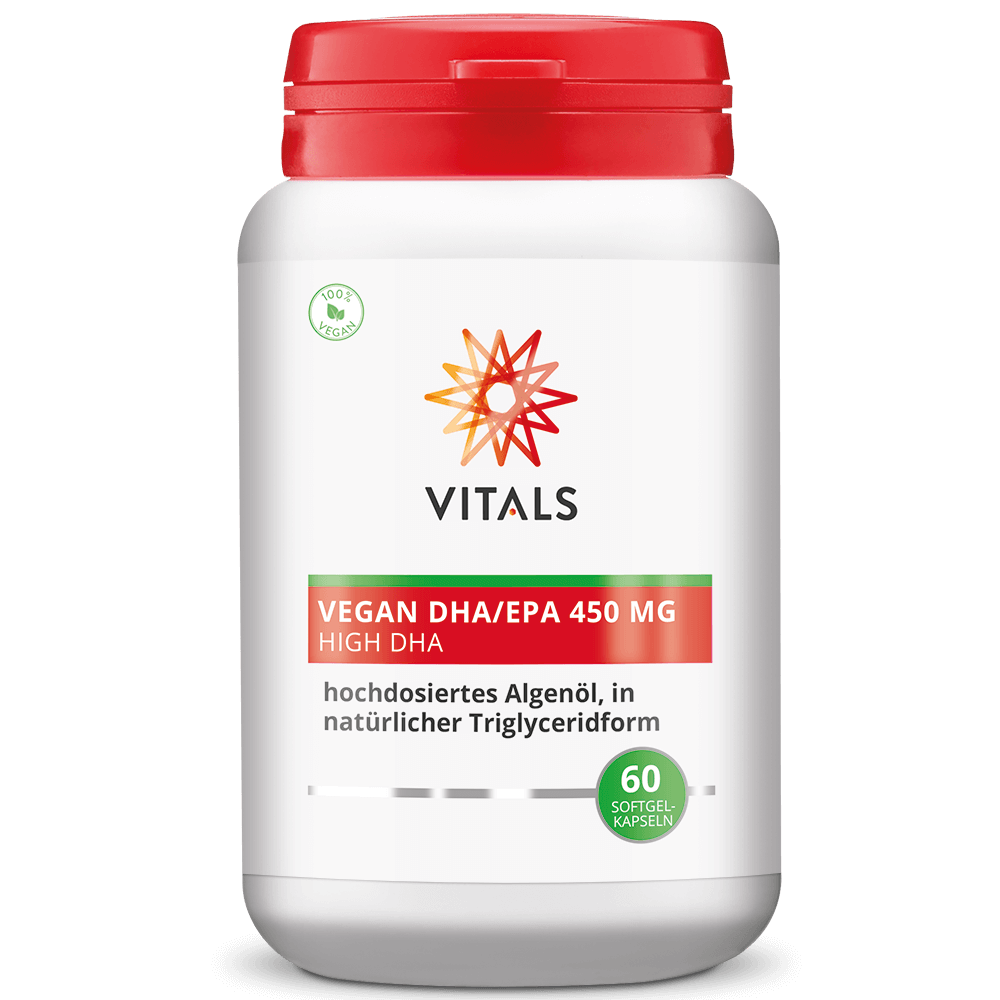
Vegan DHA/EPA 450 mg, 60 vegan softgel capsules
Content: 0.088 Kilogramm (€408.52 / 1 Kilogramm)
-
From 1€39.95€453.98 / 1 Kilogramm
-
From 2€37.95€431.25 / 1 Kilogramm
-
From 5€35.95€408.52 / 1 Kilogramm
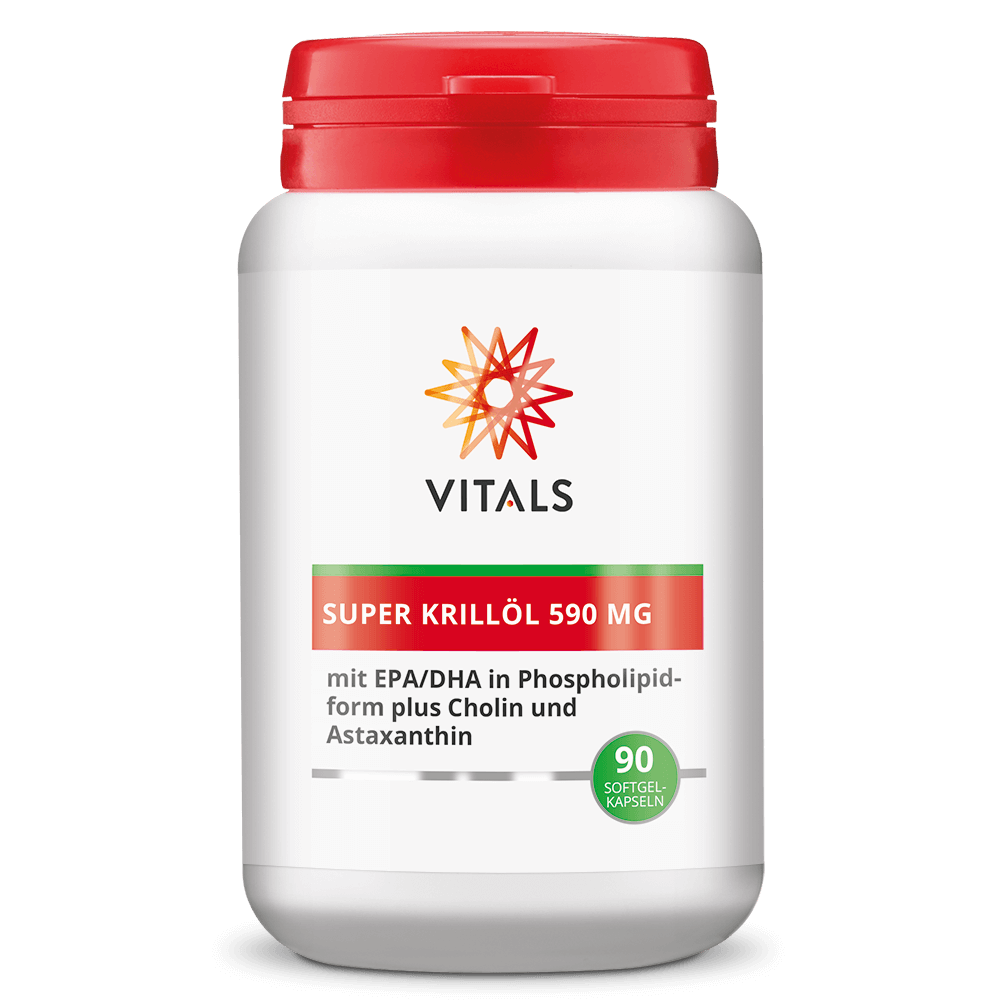
Super Krill Oil, 90 softgel capsules
Content: 0.074 Kilogramm (€486.49 / 1 Kilogramm)
-
From 1€39.90€539.19 / 1 Kilogramm
-
From 2€38.00€513.51 / 1 Kilogramm
-
From 5€36.00€486.49 / 1 Kilogramm
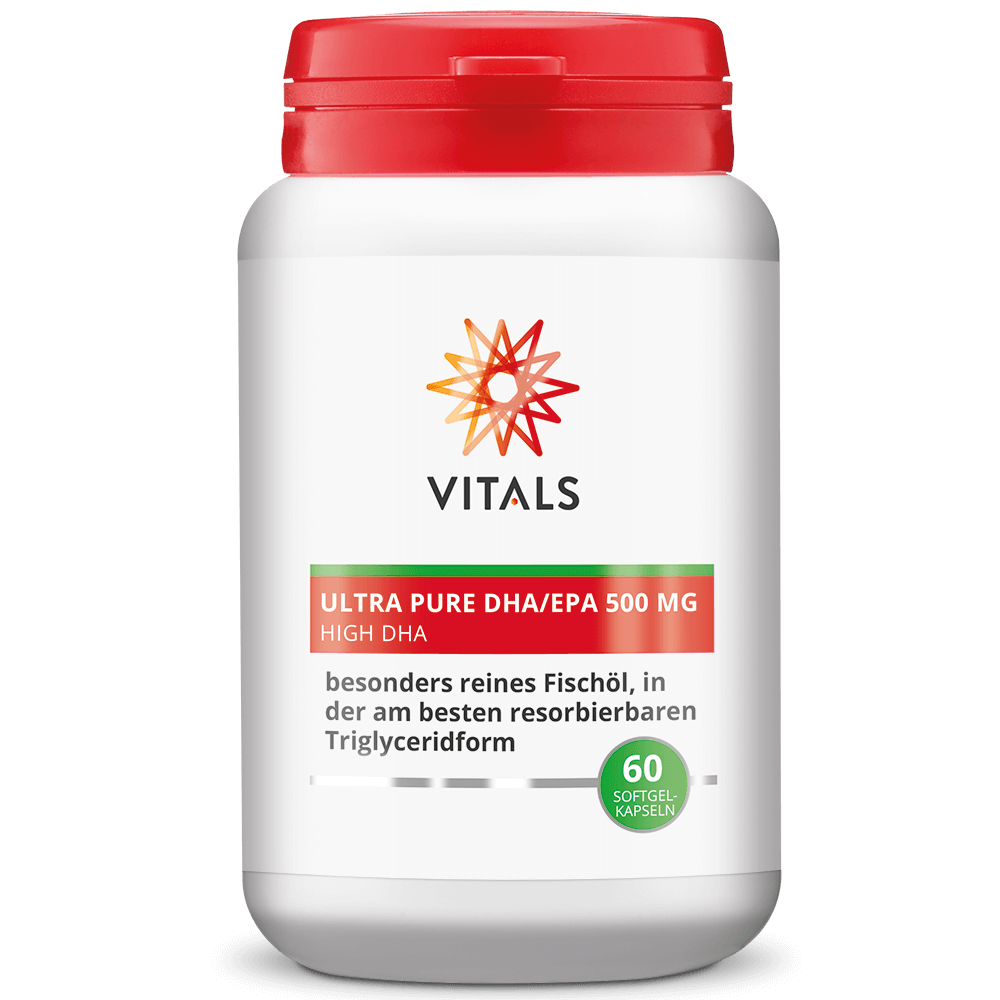
Ultra Pure DHA/EPA 500 mg, 60 softgel capsules
Content: 0.071 Kilogramm (€316.20 / 1 Kilogramm)
-
From 1€24.95€351.41 / 1 Kilogramm
-
From 2€23.70€333.80 / 1 Kilogramm
-
From 5€22.45€316.20 / 1 Kilogramm
The main sources of omega-3
Omega-3 fatty acids are found in various foods, including:
- ALA is mainly present in plant sources, such as vegetable oils (e.g., linseed oil, walnut oil, perilla oil), dried fruits (walnuts, cashews, pistachios, hazelnuts) and chia seeds or flax seeds. Green vegetables, especially leafy vegetables such as spinach, lettuce or cabbage, are also rich in ALA.
- EPA and DHA are found in oily fish such as salmon, tuna, herring, mackerel, cod liver, sardines, anchovies, etc. These omega-3 fatty acids of animal origin are absorbed more efficiently by the body than omega-3 fatty acids of plant origin.
The benefits of omega-3
Omega-3 fatty acids are an important component for many functions in the body. These include the following:
- DHA contributes to the maintenance of normal brain function and to the maintenance of normal vision (these positive effects occur with a daily intake of 250 mg DHA)
- EPA and DHA contribute to normal heart function (these positive effects occur with a daily intake of 250 mg DHA + EPA)
- Replacing saturated fatty acids with monounsaturated and/or polyunsaturated fatty acids in the diet contributes to the maintenance of normal blood cholesterol levels
How to find the right omega-3 product?
There are two effective ways to ensure omega-3 intake: The first way is to consume foods rich in omega-3 fatty acids, especially oily fish. However, to get enough, you should eat fish at least four times a week, which is not always easy to do. Bear in mind that farmed salmon is often highly contaminated, and even wild fish such as herring and sardines can contain high levels of PCBs. It is therefore advisable to choose fish from sustainable, organic farms. If you find it difficult to get the recommended amount from your diet alone, the second option is to take fish oil-based supplements.
Omega-3 supplements can be taken from the age of one year. Here are the criteria for choosing the right dietary supplement:
Fish species used: Choose omega-3 supplements made from small wild fish such as mackerel, sardines and anchovies, as these contain fewer contaminants compared to larger fish.
Catch area: Look out for products labelled to show that the fish comes from sustainable catch areas. Examples of this are "Friend of the Sea" or "MSC".
Extraction method: Favour omega-3 fatty acids that are extracted at low temperatures, as this best preserves the structure of the fish oil.
EPA and DHA content: The concentration of EPA and DHA fatty acids is important. For optimal absorption, it is recommended to choose a concentrated and balanced oil with a ratio of 40% EPA to 30% DHA.
Omega-3 fatty acids are available in two forms: ethyl esters and triglycerides (the natural form). We recommend the natural form in preference to ethyl ester.
Our range of omega-3 products
We stock a wide range of omega-3 products, both from fish and from algae and krill.
We currently (05.2025) have 33 products, which may be confusing for some customers.
This is why we want to significantly expand our information about omega-3 in the shop this year. For example, there is an initial comparison list that should make it clear how the price-performance ratio of the products should be assessed.
If you take a day and search through as many information pages on omega-3 fatty acids as possible, including those with study results in Pubmed.gov or information pages from doctors or nutritional institutes, you will unfortunately not find "the" clear recommendation. It is rather difficult for laypeople to understand, even if it is difficult for me as an ecotrophologist.
After 5 hours of cross-reading, I am left with the following summary, which agrees with 90% of what I read:
- 250 mg-500 mg EPA+DHA is the minimum requirement that you need to take in to stay healthy, e.g. prevention of heart disease in healthy people.
- 2000 - 4000 mg is the range in which you can expect a real therapeutic effect, e.g. lowering cholesterol levels or noticeably better vision
- Above 5000 mg it becomes critical, people should not take more without consulting a doctor. According to Paracelsus, anything healthy can also become poisonous. For example, although the blood-thinning properties of omega-3 fatty acids are very desirable from a health point of view, it is also conceivable that people could overdo it with the dilution, which could lead to internal bleeding or to haemorrhages in the body or brain that occur naturally or as a result of minor accidents not closing up quickly enough.
So you could roughly say that if you want to stay healthy, but are still healthy and don't have any really pronounced risks, such as a family history of heart attacks, then 250 - 500 mg of omega-3 a day is the best way to go. In the form of capsules or, even better, in the form of oily fish such as salmon.
If you are older or have certain health or genetic conditions, you should rather take 2000 - 4000 mg, depending on what you want to achieve.
I have invested a few hours of work and calculated the price-performance ratio of all the omega-3 products in our range in relation to 2000 mg EPA and DPA per day. See the graph for the result.
This was a first attempt, I will improve the graph and comments.
It is clear that there are major differences. However, they are not always absolute. A product with an orange or red bar does not necessarily have to be "expensive". It also depends very much on what else is in the product. Ubiquinol Omega-2 Active Formula from Biogenial, for example, is deep orange and therefore supposedly expensive, but at 100 mg Q10 per capsule it is extremely inexpensive compared to the cost of an ubiquinol capsule! The same amount of Ubiqinol from another brand would cost 94 euros, this product costs 79.90 euros and is therefore extremely cheap and not expensive, as the table initially suggests. We will improve the information on all products in the coming weeks.