
Liver and bile, essential for metabolism
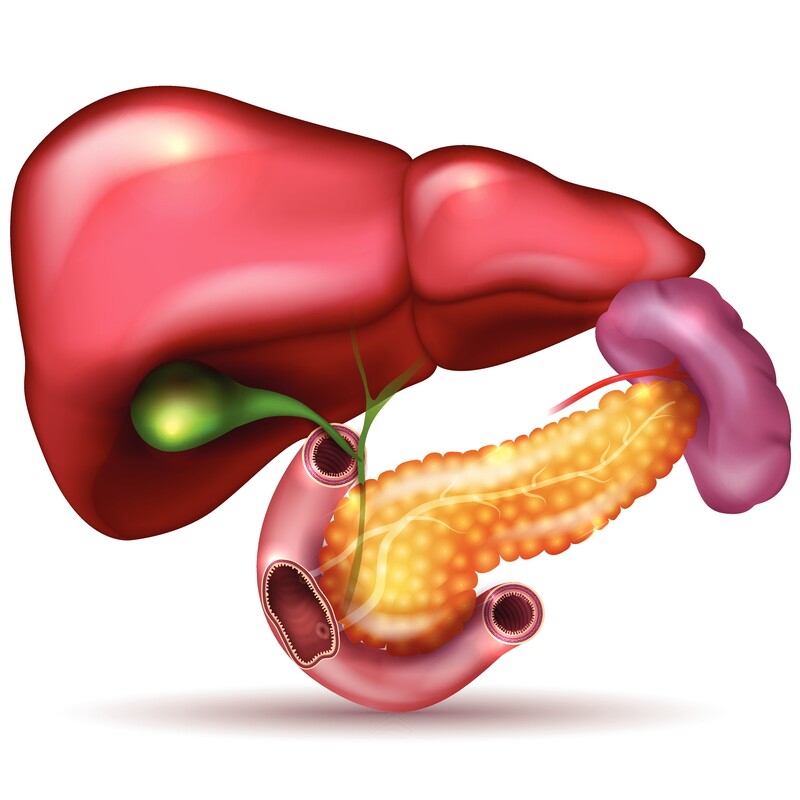
The human organism continuously performs remarkable tasks to maintain homeostasis and nutrient utilisation. The liver acts as a central laboratory in this process, while bile primarily aids the emulsification of fats in the digestive tract. Dietary supplements aim to complement these physiological processes with specific plant-derived ingredients, vitamins and minerals, particularly when the current diet or lifestyle requires additional support. Specific components can help to maintain the normal function of liver cells. As the liver is involved in almost all metabolic processes – from protein synthesis to the storage of vitamins – many formulations are designed to provide energetic support for these diverse functions. This is less about correcting deficiencies and more about proactively supporting the body's own systems... Read more

SAMe 200 mg, 60 capsules
Contents/Net quantity: 0.041 Liter (€1,512.20 / 1 Liter)
Bitter compounds as traditional support
Bitter compounds are a time-honoured remedy in herbal medicine. In the past they occurred in large quantities in numerous vegetables, but were largely removed in modern cultivars. Nutritional supplements return these valuable substances. Bitter compounds, as found for example in artichokes or dandelion, promote the flow of digestive juices. This is particularly important for bile, as active bile production improves the emulsifying action in the intestine and can thus promote wellbeing after hearty meals.
Protection by antioxidants
The liver is an organ with high metabolic activity, where free radicals are produced naturally. Antioxidant substances such as vitamin E, selenium or secondary plant compounds from milk thistle (particularly silymarin) are frequently used to protect cells from oxidative stress. This protective mechanism promotes the integrity of cell structures, thereby aiming to strengthen the organ's resilience in the daily cycle of synthesis and breakdown.
The importance of choline and amino acids
Choline is a frequently underestimated nutrient whose contribution to maintaining normal liver function is scientifically recognised. It supports the transport of fats and prevents an excessive accumulation of metabolic intermediates in tissues. Amino acids such as L-ornithine or taurine are also often used in combination to support the body's regeneration phases. These components help to keep daily metabolic processes running smoothly and to maintain the body's functional capacity.