
Wine – more than a mere drink
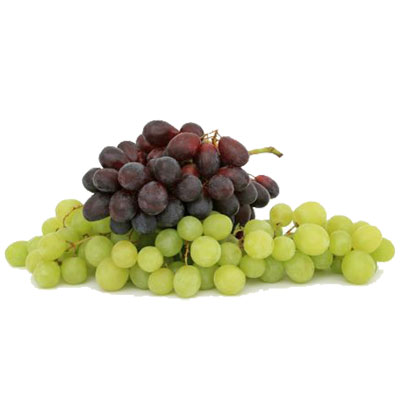
Wine is a cultural asset that has accompanied humanity for millennia. Whether red, white or rosé – it is produced by the alcoholic fermentation of grape juice, a process in which yeast converts sugar into alcohol. A bottle of wine contains, in addition to water, which constitutes the main component at 70 to 85%, a multitude of organic compounds, minerals and flavours. The production, particularly ageing in a wooden cask or skin contact in red wine, significantly shapes the character and complexity of the final product... Read more

Proanin OPC Synergy 90 capsules
Contents/Net quantity: 0.05 Kilogramm (€480.00 / 1 Kilogramm)

Salvestrol Shield, 60 capsules
Contents/Net quantity: 0.035 Kilogramm (€768.57 / 1 Kilogramm)

Venogut with vitamin C and horse chestnut, 60 capsules
Contents/Net quantity: 0.04 Kilogramm (€675.00 / 1 Kilogramm)
Overview of wine constituents
The valuable constituents of wine primarily come from the grape skin. These include polyphenols, which act as antioxidants and can protect cells from free radicals. Particularly noteworthy are tannins, the astringent compounds that give red wines structure, as well as resveratrol, a secondary plant compound known for its health-promoting properties. Furthermore, wine contains acids, glycerin and minerals that round off the flavour. While white wine is often lighter, red wine contains a higher concentration of these valuable plant compounds due to maceration during fermentation.
Health benefits with moderate consumption
The health benefits of wine are frequently discussed in the context of moderate consumption. Studies indicate that the constituents, particularly in red wine, can support vascular health by promoting circulation. A moderate daily consumption of wine, often defined as a small glass, is considered beneficial to take advantage of these positive properties. In Mediterranean culture, wine is also appreciated as a pleasure that can stimulate the metabolism.
Wine as part of lifestyle
Wine goes beyond its chemical composition. It is an integral part of a pleasurable lifestyle and can promote well‑being, provided it is consumed mindfully and in appropriate quantities. The combination of taste, aroma and natural constituents gives it a unique character. However, it is essential not to regard this indulgence as a therapeutic remedy, but as an element of a balanced diet. In this way, the enjoyment of wine remains a positively valued moment in daily life.