
Vitamin A or Beta-carotene?
Vitamin A is very effective but toxic in larger amounts, for example if you take far more than recommended or if you consume liver dishes made from factory-farmed animals.
Beta-carotene can be converted by the body into vitamin A and is not toxic in large quantities. For this reason manufacturers of dietary supplements prefer to use beta-carotene.
There are, however, areas of application, such as skin problems, where pure vitamin A has proven to be more effective than beta-carotene. Customers should therefore make sure they are well informed about exactly what they need. We offer both forms... Read more

Vitamin A 4000 IU, 100 softgel capsules
Contents/Net quantity: 0.045 Kilogramm (€397.78 / 1 Kilogramm)

Vitamin A Retinol Palmitate, 60 capsules
Contents/Net quantity: 0.014 Kilogramm (€992.86 / 1 Kilogramm)

Vitamin ADEK Oil, 30 ml
Contents/Net quantity: 0.03 Liter (€1,196.67 / 1 Liter)
Occurrence of Vitamin A
Animal foods contain the fat-soluble vitamin A. However, the body can also produce it itself from some carotenoids and store it in the liver for a long time. The vitamin is crucial for the process of vision and plays an important role for the skin, bones, teeth and connective tissue. In addition, it promotes the formation of antibodies and protects skin and mucous membranes, which is why it also supports the immune system. Vitamin A is also required for cell growth, the formation and maturation of red blood cells, the synthesis of steroid hormones (such as oestrogen), egg maturation in the ovary as well as sperm maturation and their motility. Vitamin A also plays a decisive role in the development of the embryo and the placenta. Vitamin A additionally has an antioxidant effect and can neutralise free radicals in the body, which counteracts cell damage.
Toxicity of Vitamin A
Taking vitamin A in the form of carotenoids has the advantage that you cannot overdose on it. The body produces only as much vitamin A as it really needs.
Vitamin A in high doses is harmful, e.g. to the liver or to the embryo. In most cases, carotene is therefore more advantageous.
On the other hand, pure vitamin A (retinol) works more strongly and directly, since it does not have to be converted. There are, for example, indications that the effect on the skin in conditions such as atopic dermatitis is better with retinol than with the intake of carotenoids like beta-carotene.
For general prophylaxis, carotenoids are therefore sufficient; if you have something more specific in mind, you should first find out which substance is the better one.
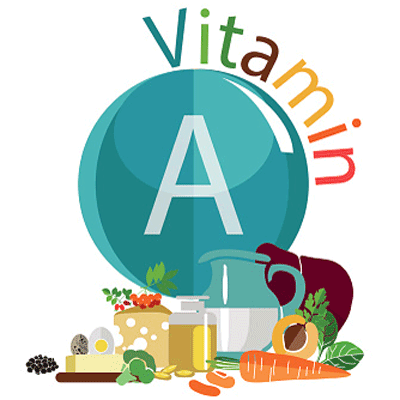
Occurrence: Liver, fish, poultry, eggs, dairy products, butter, spinach, kale, carrots, pumpkin, tomatoes and peppers
Deficiency symptoms: Early symptoms of a deficiency are visual disturbances (such as night blindness) as well as dry and scaly skin. A chronic deficiency can, among other things, lead to an increased susceptibility to infections, loss of appetite, fatigue or reduced fertility.
Uses: Respiratory diseases; for acne, dry skin or eyes (used in ointments or drops), night blindness, iron deficiency anaemia, gastric ulcers, atherosclerosis, susceptibility to infections.
DACH intake recommendation: 800 µg women, 1000 µg men
Therapeutic range: 1 -3 mg
Upper Limit*: 3000 µg
Much lower Upper Limits should be observed for children, e.g. 1500 µg for 7-10-year-olds.
* Maximum amount that can be consumed daily over a very long period without resulting in harmful health effects