
Pyridoxine or Vitamin B6 — preferably as P5P!
Vitamin B6 performs many important functions in the human body because it is an essential component of some enzymes. The form pyridoxine, often used in dietary supplements, must be converted by the body into the coenzyme P5P (pyridoxal-5-phosphate) before it can be effective. There are people for whom this conversion step causes problems, a widespread and therefore perfectly normal genetic weakness. It is therefore more sensible to take P5P directly... Read more

B-Vitamins Extra P5P, 60 capsules
Contents/Net quantity: 0.024 Kilogramm (€1,383.33 / 1 Kilogramm)

B6 Plus, 90 capsules
Contents/Net quantity: 0.015 Kilogramm (€933.33 / 1 Kilogramm)

L-Methionine Plus P-5-P, 90 EMBO-CAPS
Contents/Net quantity: 0.05 Kilogramm (€428.00 / 1 Kilogramm)

P-5-P Power Complex, 60 capsules
Contents/Net quantity: 0.04 Kilogramm (€445.00 / 1 Kilogramm)

Pyridoxine WholeFood P5P, 60 capsules
Contents/Net quantity: 0.024 Kilogramm (€745.83 / 1 Kilogramm)

Vitamin B6 20 mg, 100 capsules
Contents/Net quantity: 0.035 Kilogramm (€665.71 / 1 Kilogramm)
For energy, the nervous system and the immune system
The water-soluble Vitamin B6 (pyridoxine) is essential for energy metabolism, the function of the nervous system, the formation of red blood cells and the regulation of hormonal activity. It is involved in the formation of haemoglobin, strengthens the immune system and plays a central role in numerous enzymatic processes. Wholegrain products, meat, fish and vegetables contain Vitamin B6, which occurs in many foods.
Functions of Vitamin B6
- Metabolism: It is fundamental for the breakdown and utilisation of carbohydrates, proteins (amino acids) and fats.
- Nervous system: For the synthesis of neurotransmitters, chemical messengers responsible for the exchange of signals between nerve cells, Vitamin B6 plays a significant role.
- Blood formation: It plays a role in the formation of haemoglobin, the red blood pigment necessary for the transport of oxygen in the blood.
- Immune system: Vitamin B6 supports the normal function of the immune system.
- Hormonal regulation: It contributes to the regulation of hormonal activity.
- Homocysteine metabolism: As a coenzyme, it supports the breakdown of homocysteine, an amino acid whose elevated concentrations are associated with cardiovascular diseases.
Food sources
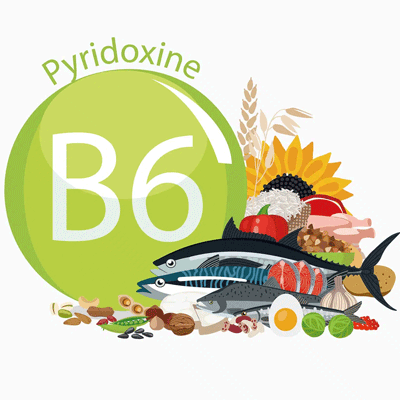
Vitamin B6 occurs naturally in many foods. Good sources include:
- Meat and fish: Pork, sardines, mackerel, chicken and salmon
- Wholegrain products: Wholegrain cereal products and bread
- Legumes: Chickpeas and other beans
- Fruit and vegetables: Bananas, potatoes and peppers
- Nuts and seeds: Hazelnuts and walnuts as well as other seeds
Properties
- Water solubility: As the body cannot store water-soluble vitamins, it is important to obtain them regularly through the diet.
- Sensitivity: Vitamin B6 is sensitive to light and heat, which can lead to losses during storage and food preparation.